
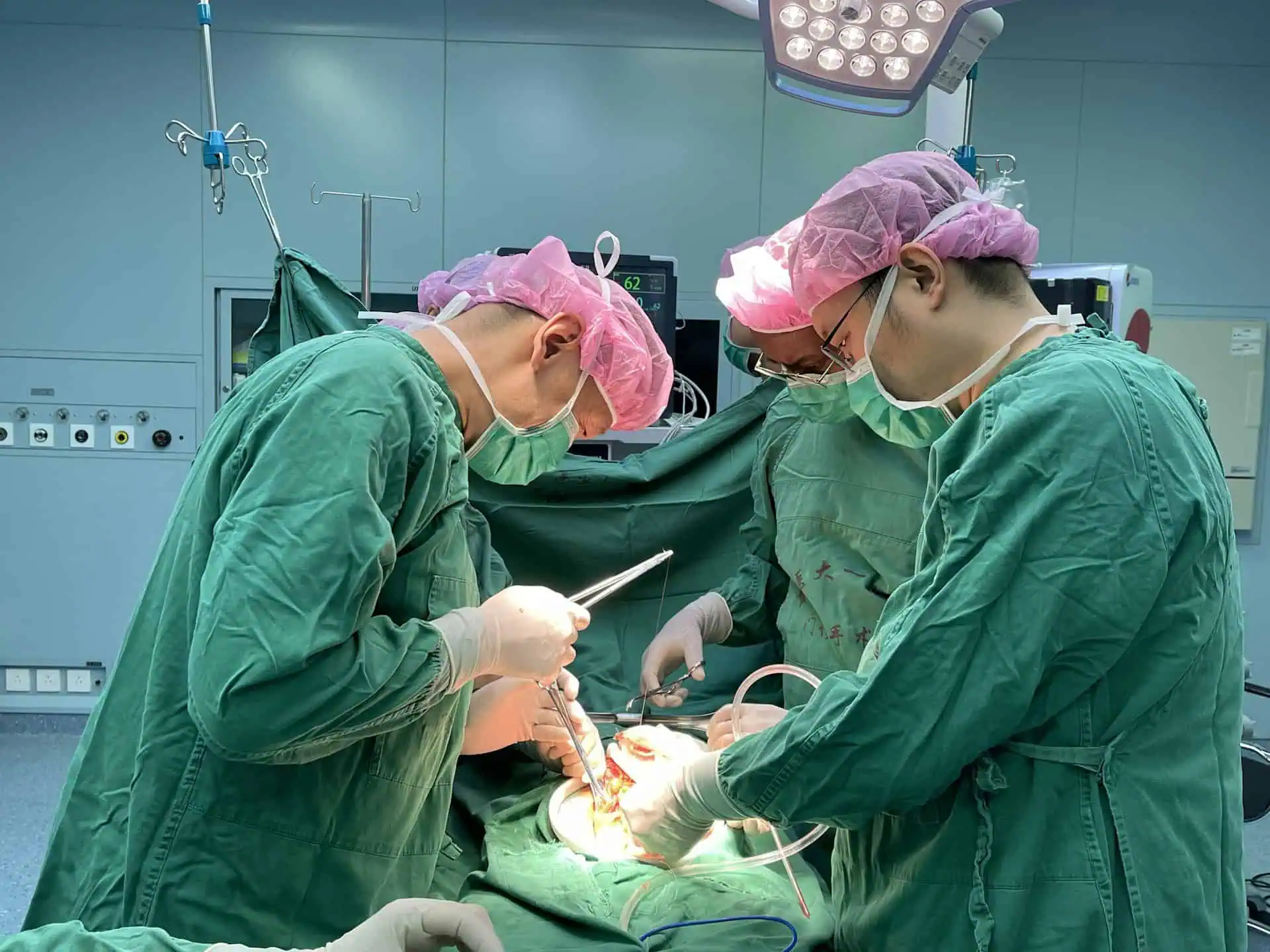
Breast cancer is the most common malignancy in women in Bulgaria and worldwide. For many years, surgical treatment was limited to two poles: organ-sparing surgery or mastectomy. Oncoplastic surgery offers a third, more complex alternative - it compromises neither oncological radicality nor the patient's quality of life.
What is oncoplastic surgery?
Oncoplastic Breast Surgery (OPS) combines the principles of oncologic surgery with the techniques of plastic and reconstructive surgery. The goal is to achieve surgical margins free of tumor while preserving or restoring the shape, volume and symmetry of the breast.
According to the classification of Clough et al. (2010), oncoplastic techniques are divided into two levels. Level I includes local skin-gland rotation flaps and is appropriate for resections up to 20% of breast volume. Level II includes reduction mammoplasty and mastopexy techniques applied to larger tumors or specific localization - lower quadrant, central zone, medial pole.
Cancer Safety
One of the key concerns with the introduction of OPS is whether wider tissue redistribution compromises the oncological outcome. Contemporary data refute these doubts. A meta-analysis by Losken et al. involving over 7000 patients showed that the incidence of positive surgical margins with OPS is comparable or lower compared with conventional organ-sparing surgery. The local recurrence rate was not higher, and in a number of series was lower - probably due to the wider resection margins achieved with OPS.
It is important to stress that OPS does not replace radiotherapy. Standard adjuvant radiation after organ-sparing surgery remains mandatory in the oncoplastic approach.
Which patients are suitable candidates?
The choice of technique is determined by the tumor-to-breast ratio, tumor localization, ptosis and breast size, the patient's willingness and available surgical skills. OPS is particularly indicated for: tumours in the lower or medial quadrant where standard resection would result in significant deformity; in women with macromastia where reduction mammoplasty is both a therapeutic and prophylactic measure; in multifocal tumours where wide resection is only technically feasible with tissue redistribution.
Contraindications included advanced local stage, inability to undergo radiotherapy, systemic disease with high anaesthetic risk and a clear patient desire for mastectomy with reconstruction.
Reconstruction after mastectomy
In patients for whom mastectomy is unavoidable - due to disease volume, genetic predisposition (BRCA1/2) or preference - immediate reconstruction is an oncologically safe option. It can be performed with an implant, with autologous tissue (DIEP flap, latissimus dorsi flap), or with a combination of both. Data from the MASTECTOMY (Jagsi et al., 2014) and BRCA-related cohorts confirm that immediate reconstruction does not delay adjuvant treatment or worsen oncologic prognosis.
Multidisciplinary approach - a must
Deciding on the type of surgery cannot be surgical alone. Each case should be discussed within a multidisciplinary oncology board including a surgeon, medical oncologist, radiotherapist, pathologist, imaging diagnostician and - if necessary - a psychologist. Preoperative planning, including tumor clipping for neoadjuvant chemotherapy and intraoperative assessment of surgical margins (frozen sections or OSNA), enhances the quality of resection and reduces the need for reoperation.
Conclusion
Breast oncoplastic surgery is no longer the privilege of specialist centres - it is a standard that every surgical unit involved in breast cancer treatment should strive to achieve. Training in OPS techniques, certification according to European standards (BRESO/ESSO) and building multidisciplinary teams are priorities of the Association of Breast Surgeons in Bulgaria.